

When planning wine trips, the same big names—Bordeaux, Tuscany, Napa—often dominate the list. But there’s a whole world of wine waiting to be explored, and many of the most rewarding regions are still under the radar.
As someone currently training in wine and travelling to discover new vineyards first-hand, I’ve visited these destinations and experienced the tastings myself. What struck me is how distinctive terroir and local grapes create unique styles—wines that feel authentic, food-friendly, and rooted in place.
From crisp coastal whites to structured reds and world-class sparkling wines, here are five wine regions you probably haven’t heard of—but should definitely add to your travel list.
Thrace, Turkey — Boutique Reds Between Three Seas
Thrace, in northwest Turkey, sits between the Black Sea, the Sea of Marmara, and the Aegean. The maritime influence keeps wines fresh and balanced, with lively acidity and polished tannins.
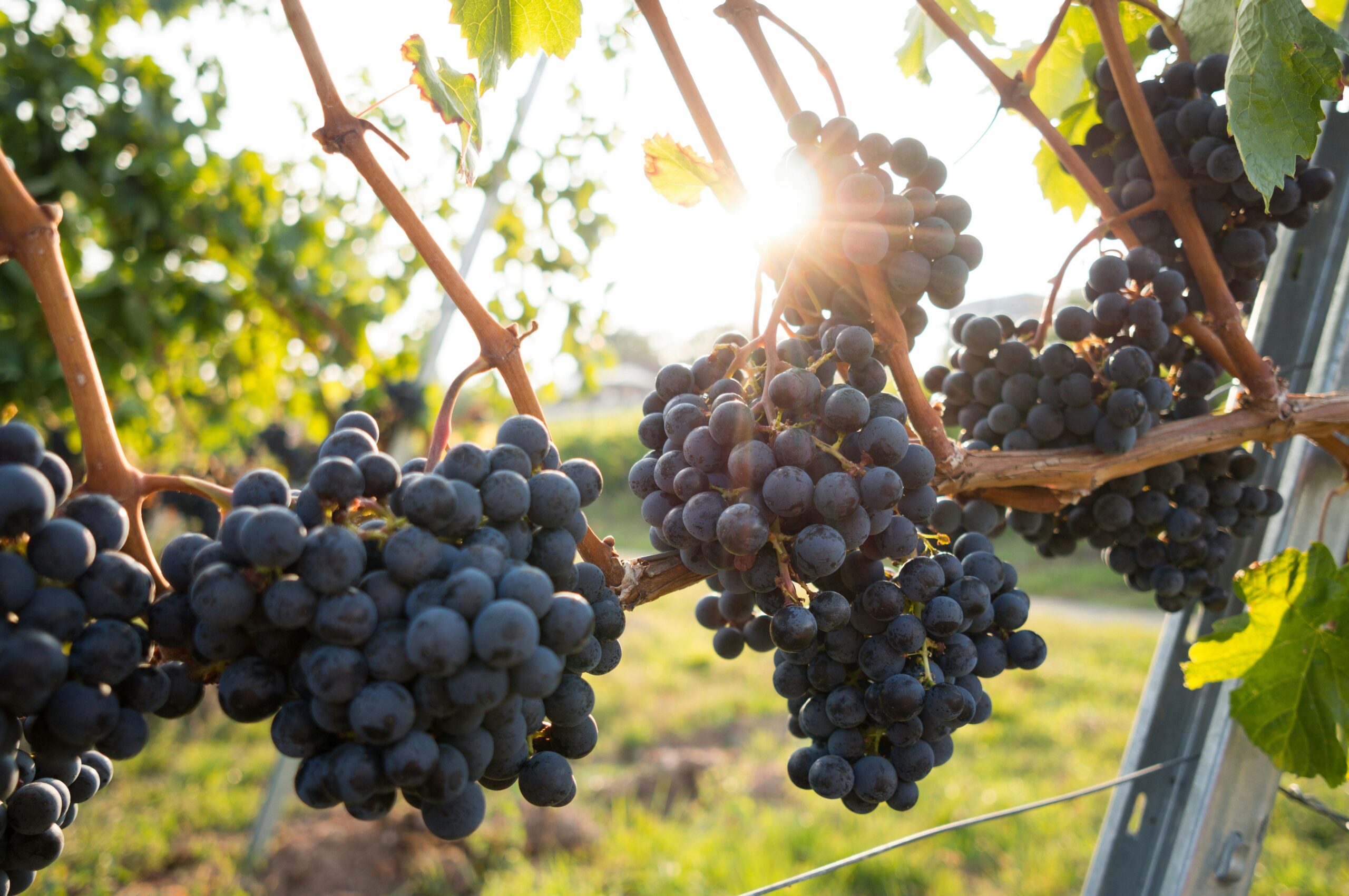
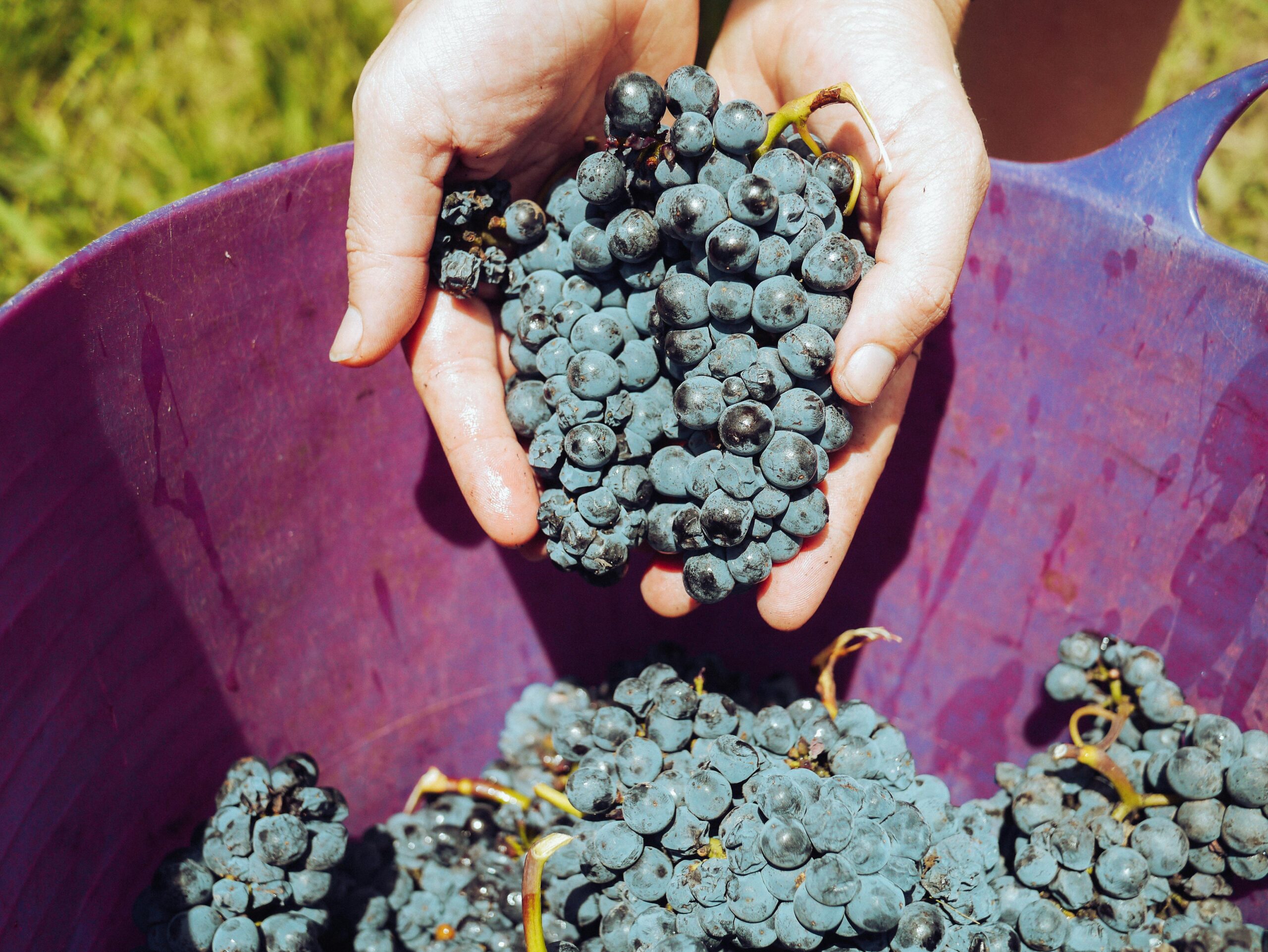
- Grapes & Styles: International varieties like Cabernet Sauvignon and Merlot thrive here, but the star for me is Papaskarası—a local grape that bursts with crunchy red berries, spice, and elegance. Whites from Chardonnay and Sauvignon Blanc are bright, saline, and made for coastal dishes.
- When to Visit: Late spring or early autumn.
- Travel Tip: Stay in Tekirdağ or Kırklareli. Many wineries also offer accommodation, are boutique-sized and require advance bookings.
England’s Sparkling Hotspots — World-Class Bubbles on Chalk Soils
Southern England is proving it can rival Champagne when it comes to sparkling wine. I had the chance to visit vineyards across Sussex and Hampshire, and the precision of their traditional method wines is remarkable.
- Grapes & Styles: Chardonnay, Pinot Noir, and Pinot Meunier form the base for elegant non-vintage blends, refined Blanc de Blancs, and structured Pinot-driven cuvées.
- Where to Go: Sussex and Kent for welcoming estates; Hampshire for mineral, taut sparkling wines.
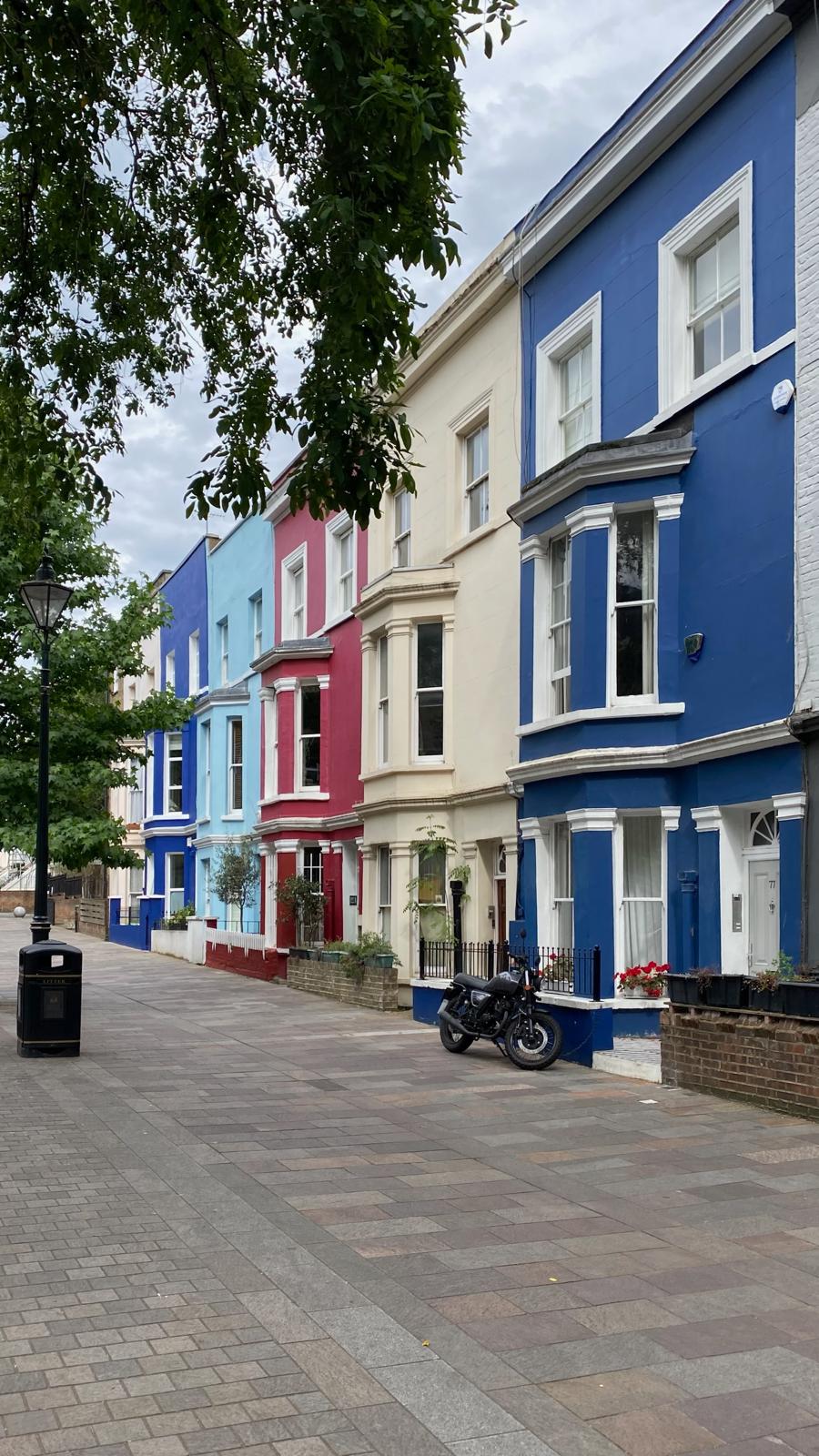
- Travel Tip: From London, you can easily reach vineyards by train plus a short train and taxi, you will find lovely local accommodations near vineyard, some vineyards does also offer accommodation. The weather changes quickly—bring layers.
Getaria, Spain (Getariako Txakolina) — Atlantic Whites with a Sea-Spray Snap
In Basque Country, overlooking the Bay of Biscay, Getaria produces txakoli that tastes like the ocean: zesty, citrus-driven, with a faint spritz and refreshing acidity. I had my tasting here and it was unforgettable—paired with fresh seafood and the salty breeze.
- Grapes & Styles: Hondarrabi Zuri dominates as a white grape, with rare Hondarrabi Beltza made into light reds or rosés.
- Food Pairing: Ideal with anchovies, tuna, or charcoal-grilled turbot at local asadores.
- Travel Tip: Base yourself in Bilbao (Bilbo) and take a day trip by coastal train. If you want more on this destination, I’ve written detailed posts about both Bilbao and Getaria on my blog.
Istria, Croatia — Truffles, Limestone, and Textural Whites
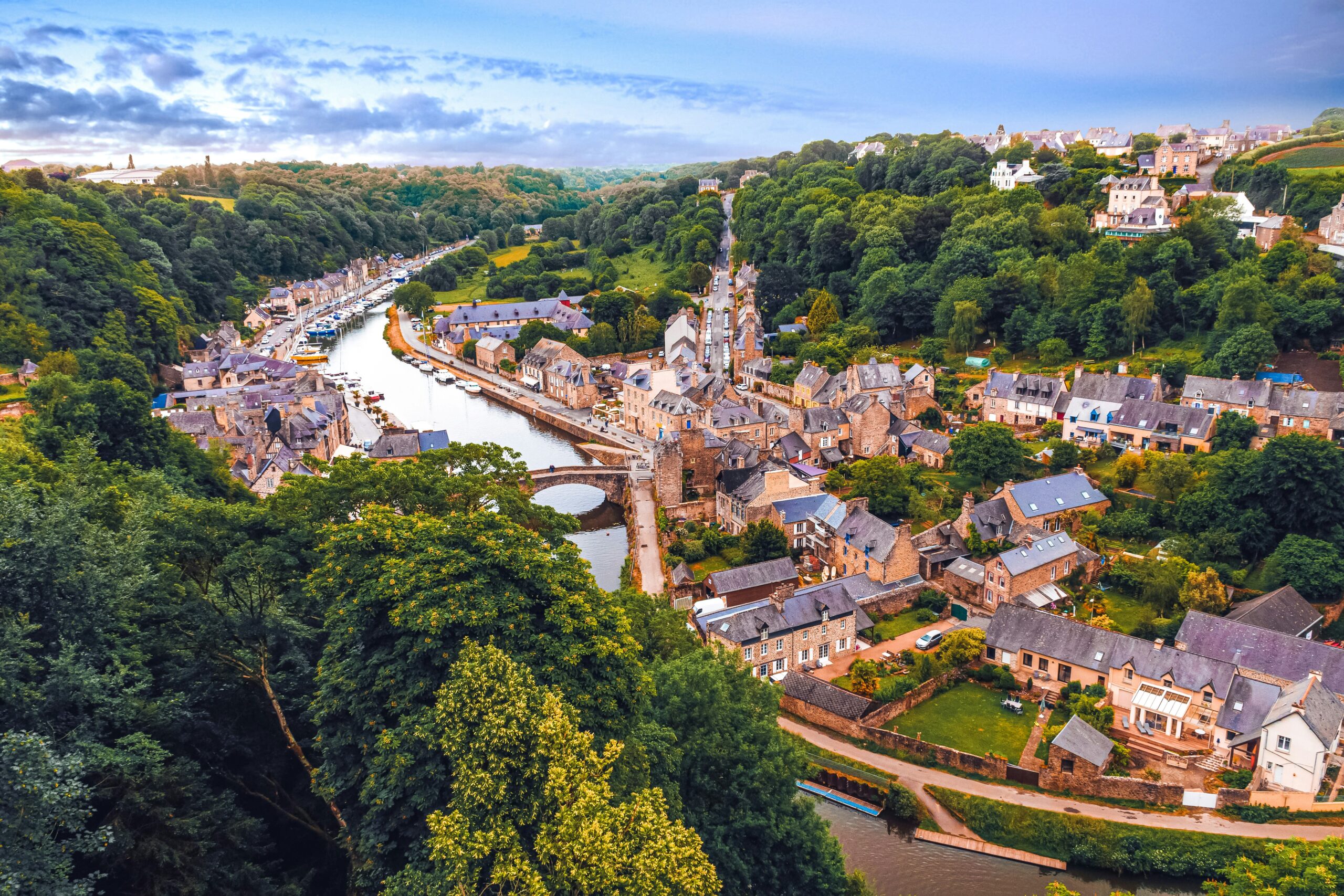
Istria offers a magical blend of wine, food, and scenery. When I visited, tastings often came with local olive oils and truffle-infused dishes—everything felt connected to the land.
- Grapes & Styles: Malvazija Istarska ranges from light and floral to complex skin-contact styles. Teran delivers sour cherry fruit, pepper, and lively acidity. A few estates also produce sparkling wines with finesse.
- Best Season: Spring and autumn, ideally during truffle season.
- Travel Tip: Stay in charming hill towns like Motovun or Grožnjan, and balance winery visits with truffle hunts and olive oil tastings.
Moravia, Czech Republic — Cool-Climate Precision Meets Creativity
South Moravia in the Czech Republic surprised me with its variety and experimental energy.
- Grapes & Styles: Riesling and Welschriesling bring stony freshness, Grüner Veltliner shows white pepper and orchard fruit, and reds like Blaufränkisch or Pinot Noir lean spicy and elegant. There’s also a thriving natural wine scene with pét-nats and skin-contact bottlings.
- Travel Tip: Stay in Mikulov, a lovely town surrounded by vineyards. Cycling between villages is a fun way to explore, but bring a light jacket—even in summer, evenings are cool.
How to Taste Like a Pro on the Road
When visiting wine regions, I always focus on two things: complexity, acidity and tannin quality. They reveal ripeness, freshness, and terroir. Many of these lesser-known regions excel at moderate alcohol, keeping wines balanced and food-friendly.
A tip I picked up: try serving lighter reds like Papaskarası or Blaufränkisch slightly chilled. And whenever possible, ask producers to pour the same grape from different sites—it’s the quickest way to understand local terroir.
Planning Your Wine Trip
- Aim for 2–3 wineries per day to avoid rushing.
- Book tastings ahead—most of these producers are small and by appointment.
- Make lunch a highlight: local cuisine shows wines in their best light.
- If you plan to buy, check shipping options or collect bottles at your final stop.
Final Sip
Exploring wine regions off the beaten path is one of the best ways to combine travel and wine. These destinations—from Turkey’s windswept Thrace to Spain’s sea-sprayed Getaria—offer distinctive wines, genuine hospitality, and fewer tourist crowds.
✨ Have you explored any hidden wine regions on your travels? Let me know in the comments—I’d love to hear your experiences.