
Just a couple of hours from Istanbul, Thrace feels like a hidden treasure for wine lovers. Nestled between the Black Sea, the Sea of Marmara, and the Aegean, it’s a maritime triangle where the air smells of pine, salt, and wild herbs. This is Türkiye’s most accessible wine region, and yet it still feels undiscovered. For me, Thrace offered everything I look for in a wine journey: bottles with real personality, generous hospitality, and landscapes that make you want to pause and sip slowly.
Thrace deserves a spot on your wine map
Thrace is where ancient history meets modern winemaking. Vines have been grown here since before antiquity, but the last decade has seen boutique producers push boundaries in vineyard care, cellar precision, and visitor experience. Because it’s so close to Istanbul, you can taste some of Türkiye’s best wines in just a weekend — no long transfers, no stress, just good wine and slow meals.
Meet Papaskarası — Thrace’s signature grape
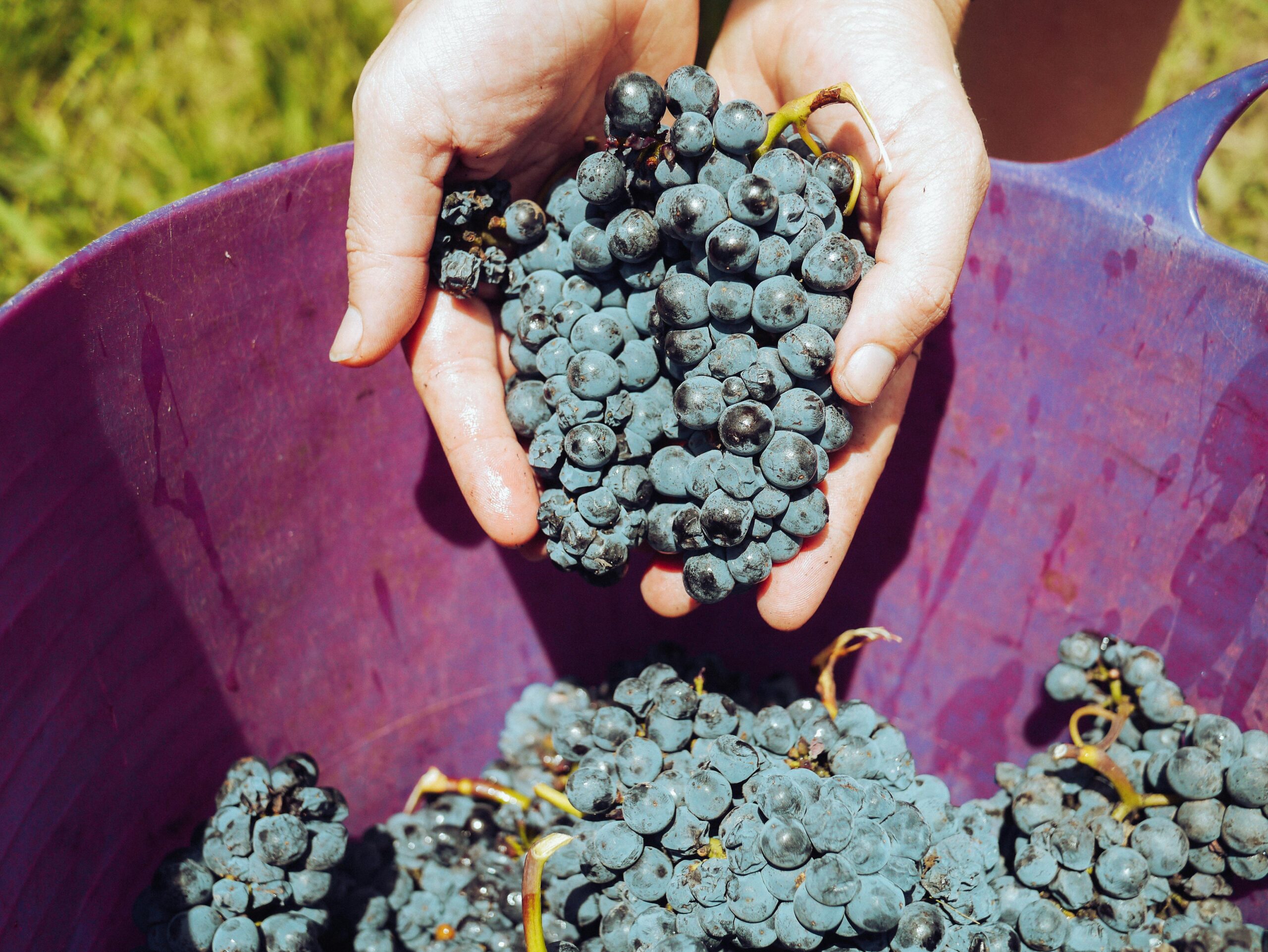
If Thrace has a grape soulmate, it’s Papaskarası. The first time I tried it, it reminded me of Pinot Noir — but with its own Turkish rhythm. Expect red berries, spice, and a mineral edge that comes alive when you serve it slightly chilled. On a sunny afternoon, a glass of Papaskarası with fried calamari or meze is pure Thrace magic.
The region also excels in Bordeaux blends (Cabernet Sauvignon, Merlot, Cabernet Franc, Petit Verdot) and Syrah, while whites like Chardonnay and Sauvignon Blanc bring coastal freshness and saline snap that pair beautifully with Aegean cuisine.
Subregions & travel flow
A Thrace wine trip makes sense as a loop through:
- Kırklareli → mineral-rich soils, top Papaskarası, ambitious estates.
- Tekirdağ & Şarköy → polished Bordeaux-style reds.
- Gelibolu (Gallipoli) → maritime influence, breathtaking coastal views, and unforgettable sunsets.
Chamlija — Papaskarası with an artistic soul
My journey started in Kırklareli, at Chamlija. Their Papaskarası is the benchmark for me: bright red fruit, spice, and a mineral backbone from Strandja granite and limestone. Lightly chilled, it’s summer in a glass. If you want something for the cellar, the “Thracian” Bordeaux-style blend is elegant and age-worthy.
This is a winery to anchor your day around. Book ahead, and don’t rush — tastings here are about conversation, art, and connection as much as the wine itself.
https://www.chamlija-wine.com/varietals.html
Arcadia Bağları — living wines in Kırklareli
Back in Kırklareli, I made time for Arcadia Bağları, which couldn’t be more different from Kalpak. Here the philosophy is about minimal intervention and “living wines” — bottles that feel pure, textural, and full of life. Tasting their hand-picked wines outdoors, surrounded by the quiet landscape, felt intimate and unpretentious.
https://www.instagram.com/arcadiavineyard
Suvla — Gelibolu’s seaside star
Driving into Gelibolu, the air changes — fresher, saltier, softer. That same maritime influence is captured beautifully at Suvla, one of the most visitor-friendly wineries in Thrace. Their Sauvignon Blanc, a Gold medal winner at Concours Mondial, shows exactly how coastal breezes can shape a wine: crisp, citrusy, and vibrant.
The real joy of Suvla is pairing wines with food. Their restaurant serves Aegean-inspired dishes — think octopus salad, fresh fish, and olive oil–drenched vegetables — all designed to highlight the range. It’s the perfect place to linger over lunch before catching a Gallipoli sunset.
https://www.suvla.com.tr/vinyards.html
Château Kalpak — elegance in Şarköy
In Şarköy, I discovered Château Kalpak, a winery that feels like it was designed for Bordeaux lovers. Their wines are estate-grown and blended with meticulous care, often aged in oak for depth and structure. These are bottles that reward patience — decant them, pair them with grilled lamb or a rich stew, and let them open slowly in the glass.
For me, Château Kalpak felt like Thrace’s “fine dining” side of wine — polished, elegant, and very international in style, yet still deeply rooted in its terroir.
http://kalpak.net/products-and-process/
How to taste Thrace like a pro
- Compare the same grape from different soils (Papaskarası on limestone vs granite is eye-opening).
- Serve Papaskarası lightly chilled to highlight freshness.
- Pair whites with grilled sea bass, fried calamari, or herby meze.
- Match Bordeaux blends and Syrah with köfte, grilled lamb, or slow stews.
- Plan for long lunches — food and wine are inseparable here.
Practical tips for your Thrace wine trip
- Best time → May–June or September–October for mild weather and vibrant vineyards.
- Transport → Driving from Istanbul takes 2–3 hours; self-drive gives flexibility, rental car is the best option.
- Where to stay →Kırklareli for Chamlija + Arcadia. Tekirdağ/Şarköy for Château Kalpak. Gelibolu for Suvla and those unforgettable sunsets.
- Pacing → Two wineries a day is perfect. Always book ahead and ask about on-site dining or partner restaurants — the food pairings are worth the planning.
Why Thrace belongs on your itinerary
Thrace isn’t just another wine region. It’s a journey into Türkiye’s winemaking heart, where every bottle carries history, passion, and a sense of place. For me, the memories that linger are not just about Papaskarası or Bordeaux blends — but about vineyard lunches that stretched into the afternoon, conversations with winemakers who are shaping Türkiye’s wine future, and the glow of the Aegean sun setting over Gelibolu.
If you’re planning a trip to Istanbul, Thrace is the wine region that lets you taste both the past and the future — and it’s only a short drive from Istanbul.