

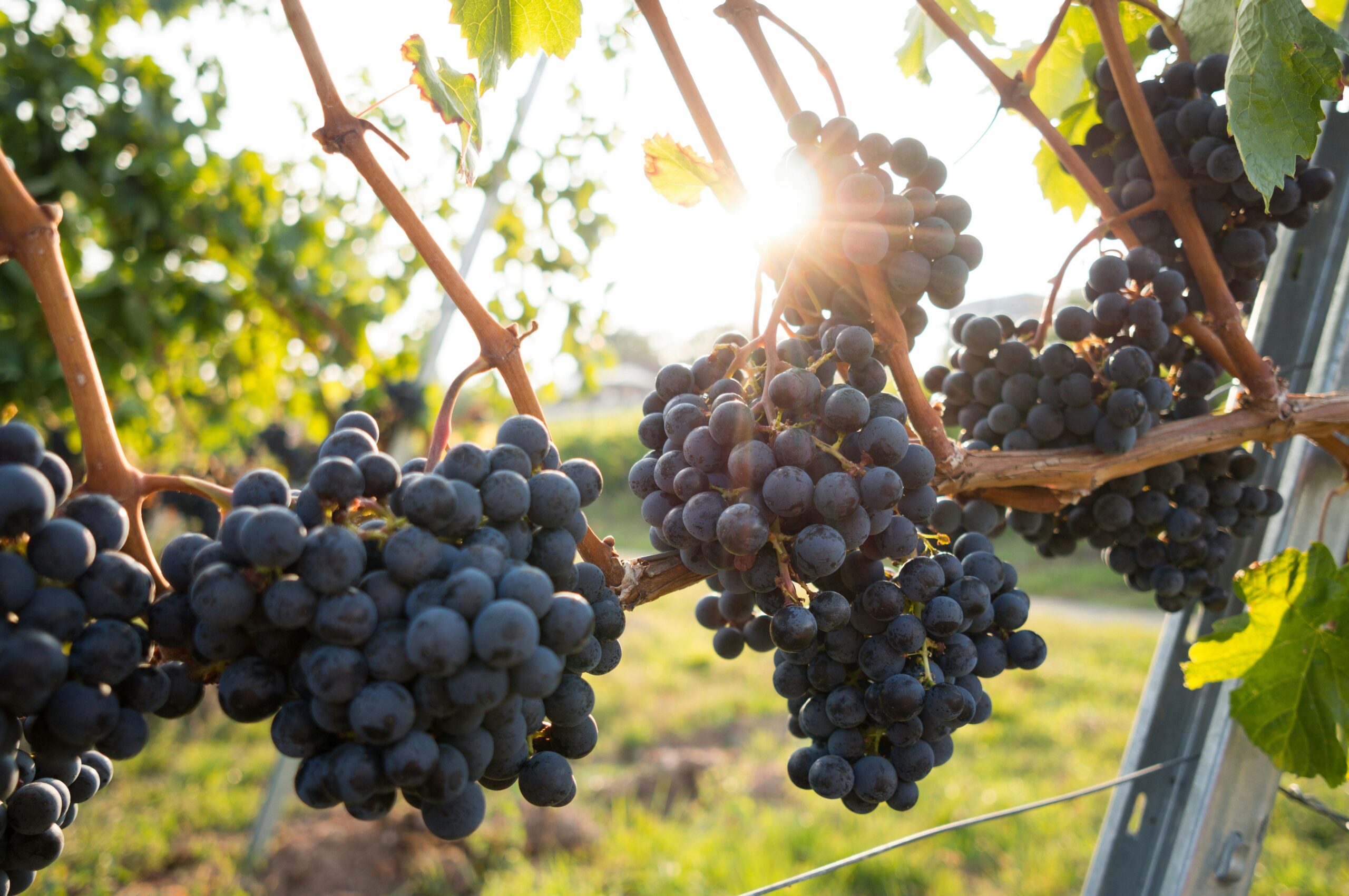
I went to Stanlake Park in Berkshire expecting “English wine” to mean mostly sparkling, lots of acidity, and a cool-climate edge.
What I did not expect was how wide the range felt in one tasting: a bright, aromatic white; a delicate still rosé; two traditional-method sparklers with different personalities; and a genuinely juicy, food-friendly red.
England in a nutshell (and why it matters in the glass)
Berkshire sits in a marginal, cool-climate context for viticulture. On paper, it sounds romantic. In practice, it is farming with real risk.
A recent reminder came in late April 2026, when Stanlake Park was hit by a ground frost even though the air temperature stayed above freezing. The damage did not look dramatic immediately, but it reduced potential yield significantly. It is the kind of event that can reshape a vintage before the growing season has even started.
Beyond frost, the estate also has to manage the fundamentals that define UK growing conditions:
Moderate summer temperatures help preserve fresh acidity and aromatic definition.
Spring frosts can be devastating at budburst and early shoot growth.
Humidity and disease pressure matter. Problems like mildew and bunch rots can be a constant threat.
Drainage is crucial, especially where soils have more clay influence. Waterlogged soils make it harder for vines to establish healthy root systems.
This is the backdrop to every glass: freshness is a gift, but consistency is something producers have to fight for.
The tasting flight
Regatta — English white (multi-vintage blend)
In the glass: Pale lemon. Medium intensity nose with lime, fresh peach, and a gentle herbal edge. Dry, light to medium body, with medium-plus acidity that keeps everything precise. The finish feels clean and zesty, with a touch more texture than a simple “summer white,” which makes sense given the short lees ageing.
How I would drink it: This is an easy “open and pour” white, but it is not boring. I would put it with grilled fish, chicken, or creamy pasta where the acidity can cut through the richness.
Pinot Noir Rosé — English rosé (still, 2024)
In the glass: Pale pink. Medium intensity aromas of raspberry and red cherry, plus grapefruit. Dry, light-bodied, and very refreshing, with medium-plus acidity and a delicate finish.
There is also a nice winemaking detail behind the style: short skin contact to capture colour and flavour without pulling too much tannin, and cool fermentation in stainless steel to keep it crisp.
How I would drink it: Well-chilled on a warm day, or with seafood, salads, hummus, and anything that leans Mediterranean.
Hinton Brut — English sparkling (traditional method, non-vintage)
In the glass: Pale lemon. Medium intensity nose showing white flowers, ripe citrus, apple, and quince. Dry, with high acidity and a lighter, gentler mousse than many classic sparklers.
It reads as a relaxed, aperitif-style bottle: bright, clean, and very drinkable.
How I would drink it: As a pre-dinner glass, or with creamy starters. It would be fun with lemon tart too.
Heritage Brut — English sparkling (traditional method, non-vintage)
In the glass: Pale lemon. Medium intensity aromas of lemon, pear, and green apple. Dry, high acidity, and a more “classic” sparkling feel, with a medium-fine mousse and a slightly longer finish.
Compared with Hinton, this one feels a touch more grown-up and structured.
How I would drink it: Aperitif, yes, but also with food. Think fish, creamy vegetable dishes, or a cheese board.
The Reserve — English red (multi-vintage)
In the glass: Ruby. Medium intensity nose of black cherry, bramble, and blackberry, with a hint of spice in the background. Dry, light to medium body, with medium-plus acidity (very much the cool-climate signature) and soft tannins.
The overall impression is juicy and smooth, and it is the kind of red that works when you want something lighter on its feet but still clearly “red wine.”
How I would drink it: Mushrooms, lentils, grilled vegetables, or simply something cozy like a well-seasoned soup.
What surprised me most
What stayed with me from this tasting was the balance between freshness and flavour.
English wine is often summarised as “high acidity,” but here the acidity felt purposeful rather than sharp. The aromatics were expressive across the whites and rosé, and even the red kept its fruit while staying bright.
Most of all, it made the vineyard tour context click: in a place where frost, disease pressure, and drainage can make or break a season, the final wines feel like a small win against the odds — and a very tasty one at that.





Leave a Reply